
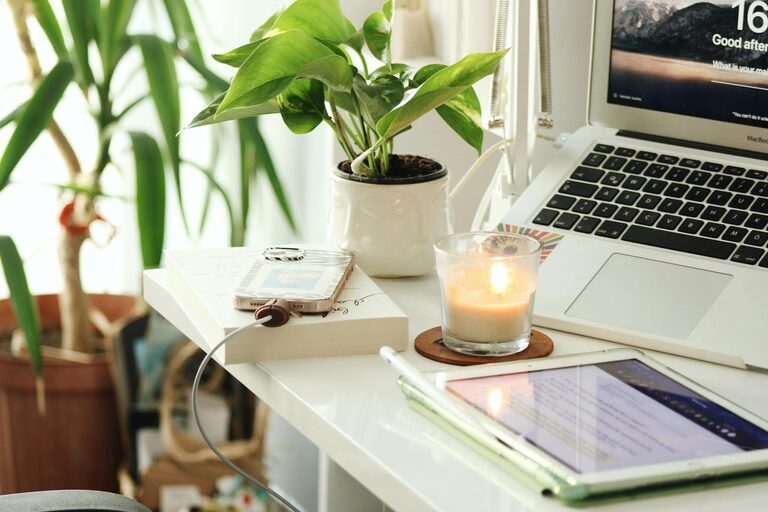
Creating a home office that combines comfort and productivity can make a significant difference in your daily work routine. Whether you work remotely full time or occasionally, having a designated space designed for focus and ease can help you perform your best while maintaining a healthy work-life balance. Here are some tips to help you build a comfortable and productive home office space.
Choose the Right Location
Selecting the right spot for your home office is the foundation of creating a productive work environment.
– Find a quiet area. Look for a place with minimal distractions where you can concentrate.
– Consider natural light. Position your desk near a window if possible to benefit from natural daylight, which can improve mood and energy.
– Think about privacy. Choose a space that allows some privacy for calls or video meetings.
– Assess space needs. Make sure there’s enough room for your equipment, storage, and movement.
Invest in Comfortable and Functional Furniture
Your furniture choices impact both comfort and posture, which affect your productivity and health.
– Ergonomic chair. Select a chair that supports your back well and allows you to sit with your feet flat on the floor.
– Adjustable desk. If possible, use a desk that can change height to alternate between sitting and standing.
– Proper desk size. Ensure the desk is large enough to hold your computer, accessories, and any paperwork without clutter.
– Storage solutions. Utilize shelves, filing cabinets, or organizers to keep your workspace tidy.
Optimize Lighting
Lighting plays a key role in reducing eye strain and keeping you alert.
– Use natural light where possible. Arrange your desk to avoid glare on screens while soaking in daylight.
– Supplement with task lighting. A desk lamp with adjustable brightness can help when working late or on detailed tasks.
– Avoid harsh overhead lights. Soft, diffused lighting prevents fatigue and creates a welcoming environment.
Organize and Declutter Your Space
An orderly workspace helps maintain focus and reduces stress.
– Keep essentials within reach. Store frequently used items nearby to avoid interruptions.
– Use cable management. Tidy up wires with clips or sleeves to keep your desk neat and safe.
– Adopt minimalism. Limit decorations and unnecessary items to create a calm atmosphere.
– Regularly clean. Make it a habit to clear your desk at the end of each day.
Personalize Your Workspace
Adding personal touches can make your office more inviting and motivating.
– Decorate with plants. Small plants improve air quality and add a natural vibe.
– Display inspiring items. Photos, artwork, or quotes can boost positivity.
– Choose calming colors. Soft hues like blue, green, or beige can enhance focus.
Manage Noise Levels
Controlling background noise helps reduce distractions and stress.
– Use noise-cancelling headphones. These are useful if you can’t control ambient sounds.
– Add soft materials. Carpets, curtains, and cushions can absorb noise.
– White noise machines or apps. Gentle sounds can mask disruptive noises.
Set Boundaries and Structure Your Day
Creating routines and boundaries helps separate work from home life.
– Define work hours. Set consistent start and end times to establish a rhythm.
– Take breaks. Regular short pauses improve overall productivity and wellbeing.
– Limit distractions. Inform family members about your schedule and create “do not disturb” zones.
Ensure Good Connectivity and Technology
Dependable technology is crucial for smooth workdays.
– Reliable internet. Invest in a fast connection to avoid interruptions.
– Organize devices. Use docking stations or stands to keep laptops and monitors at eye level.
– Backup equipment. Have chargers, extra cables, and peripherals handy.
Incorporate Movement and Comfort Aids
Physical comfort supports concentration over long periods.
– Use footrests or cushions. These can improve posture and reduce discomfort.
– Stretch regularly. Incorporate standing or stretching during breaks.
– Consider anti-fatigue mats. If using a standing desk, these reduce strain on feet.
—
By thoughtfully designing your home office with these tips, you can create a space that supports your professional needs while being comfortable and inviting. Embrace flexibility, personalize your environment, and prioritize organization to maintain focus and motivation throughout your workday. A well-planned office at home turns everyday tasks into a more enjoyable and efficient experience.