
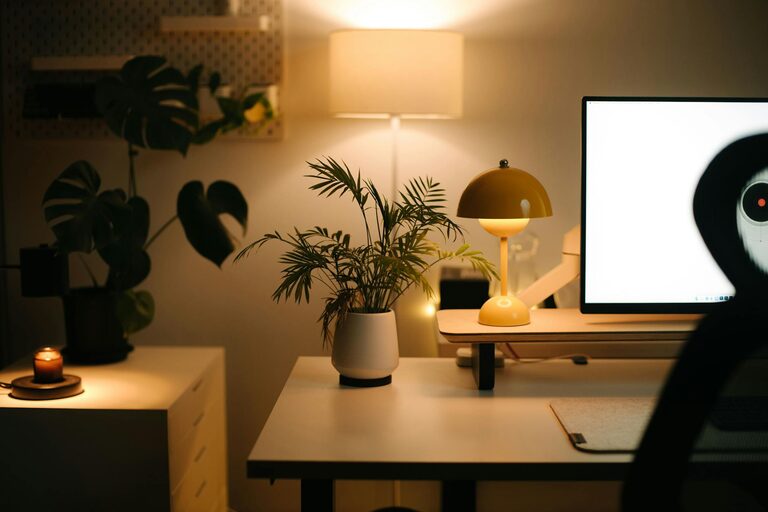
Creating a home workspace that feels relaxing and energizing is essential for staying productive and comfortable throughout your workday. Whether you’re new to working from home or want to improve your current setup, small changes can make a significant difference. This guide provides practical tips for designing a calming workspace that promotes focus, well-being, and efficiency.
Why a Relaxing Workspace Matters
A cluttered or uncomfortable workspace can lead to distractions, fatigue, and stress. In contrast, a well-organized and soothing environment helps reduce tension, boosts motivation, and supports long hours of productive work. When your home workspace feels inviting, you’re more likely to maintain a healthy work routine.
Choosing the Right Location
Find a Quiet Spot
Select a space that is as quiet as possible. Minimizing noise distractions helps you focus better. If noise is unavoidable, consider noise-cancelling headphones or soft background music.
Prioritize Natural Light
Position your desk near a window to take advantage of natural light. Exposure to daylight improves mood and alertness. If natural light is limited, use bright, soft-white lighting to mimic daylight.
Avoid High-Traffic Areas
Choose a spot away from busy household areas like the kitchen or living room to reduce interruptions.
Ergonomic Furniture and Arrangement
Invest in a Comfortable Chair
A chair with proper lumbar support helps prevent back pain. Adjustable height and armrests add to your comfort.
Desk Height Matters
Ensure your desk height allows your arms to rest comfortably at a 90-degree angle while typing. An adjustable desk or keyboard tray can be useful.
Monitor Placement
Position your monitor so the top of the screen is at or slightly below eye level to reduce neck strain. Keep the screen about an arm’s length away.
Declutter and Organize
Keep Only Essentials on Your Desk
Limit the items on your desk to those you use daily. A clutter-free surface helps your mind stay clear and focused.
Use Storage Solutions
Drawers, shelves, or desk organizers help keep office supplies tidy and accessible.
Digital Organization
Organize your computer desktop and files for easy access. Use folders and clear naming conventions to reduce digital clutter.
Incorporate Calming Elements
Add Greenery
Plants improve air quality and add a touch of nature, which can be calming and boost creativity.
Choose Soothing Colors
Soft, neutral colors like light blues, greens, or pastels create a peaceful atmosphere.
Personal Touches
Incorporate photos, artwork, or objects that make you feel happy and relaxed, but avoid overdoing it.
Establish Boundaries for Work and Rest
Define Work Hours
Set specific start and end times to maintain a balance between work and personal time.
Create a Transition Ritual
Start and end your day with a routine, like stretching or a brief walk, to signal worktime and downtime.
Use Different Spaces When Possible
If space allows, avoid working from bed or couch to separate work and relaxation zones.
Maintain Good Air Quality and Comfort
Ventilation
Open windows regularly or use air purifiers to keep the air fresh and oxygenated.
Temperature Control
Keep your workspace at a comfortable temperature to avoid distractions from feeling too hot or cold.
Manage Technology and Minimize Distractions
Cable Management
Use clips or sleeves to organize cables and reduce visual clutter.
Notifications Control
Turn off unnecessary notifications to stay focused during work periods.
Use Productivity Tools
Apps for task management or time tracking can help you stay on track without feeling overwhelmed.
Take Regular Breaks
Follow the 20-20-20 Rule
Every 20 minutes, look at something 20 feet away for 20 seconds to reduce eye strain.
Stand and Stretch
Take short breaks to stretch and move around, improving circulation and energy levels.
Mindfulness Moments
Incorporate short breathing exercises or meditation to calm your mind during busy days.
Final Thoughts
Creating a relaxing home workspace is about balancing comfort, functionality, and personal preferences. By choosing the right location, organizing your area, and adding calming touches, you can transform your workspace into a place that promotes productivity and well-being. Remember, small adjustments can have a big impact—start with a few changes today and enjoy a more pleasant work-from-home experience.