
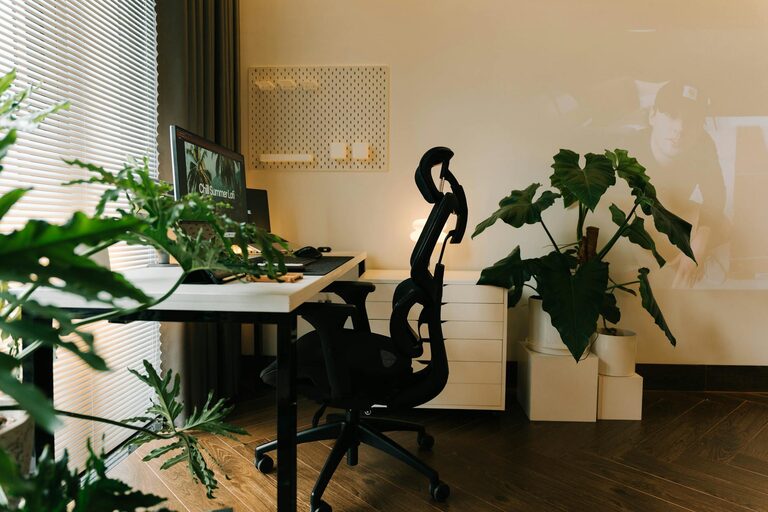
Creating a comfortable and inviting home office space is essential for productivity, focus, and overall well-being—especially as many people continue to work from home. A cozy home office isn’t just about appearance; it’s about creating a space that makes you feel relaxed, energized, and motivated throughout the workday. In this post, we’ll explore practical tips for designing a home office that feels welcoming and supports your daily tasks.
Choose the Right Location
The first step in setting up your cozy home office is selecting the best location. Ideally, choose a quiet spot away from distractions, such as in a spare room, a corner of the living room, or even a nook under the stairs. Consider natural light availability; working near a window can boost your mood and reduce eye strain.
If space is limited, don’t worry—small areas can become cozy offices with the right setup and organization.
Invest in Comfortable Furniture
Comfort is key when you spend hours sitting at your desk. Here are essential furniture pieces to consider:
– Ergonomic Desk Chair: A supportive chair with adjustable height and lumbar support improves posture and reduces back pain.
– Desk or Table: Choose a desk size that fits your equipment plus some extra space for writing or organizing.
– Additional Seating: If space allows, add a small armchair or cushioned stool for relaxing breaks or brainstorming sessions.
Remember, comfort doesn’t mean bulky. Opt for pieces that fit the style and size of your room while keeping functionality in mind.
Personalize Your Space
Your home office should feel like your own. Adding personal touches fosters a sense of belonging and contentment. Here are some ideas:
– Artwork and Photos: Hang pictures or prints you love to inspire creativity.
– Plants: Indoor plants bring freshness, improve air quality, and add color.
– Decorative Items: Use items like candles, stylish desk organizers, or colorful cushions.
– Color Scheme: Choose calming or uplifting colors like soft blues, greens, or warm neutrals to make the space inviting.
Avoid cluttering the space with too many items; balance personality with simplicity.
Prioritize Lighting
Good lighting is crucial in any workspace. Insufficient or harsh lighting can cause headaches and fatigue. Follow these tips:
– Natural Light: Position your desk near windows if possible.
– Layered Lighting: Use a combination of overhead lights, desk lamps, and floor lamps to create even illumination.
– Adjustable Desk Lamp: Helps direct light where you need it, especially for detailed tasks.
Warm light bulbs (around 2700K to 3000K) tend to create a cozier atmosphere compared to cool, bright lighting.
Organize for Efficiency and Calm
A tidy workspace can improve focus and reduce stress. Use organizational tools such as:
– Shelves and Cabinets: For storing books, files, and supplies.
– Desk Organizers: Small trays, pen holders, and drawer dividers keep essentials within reach.
– Cable Management: Use clips or sleeves to keep cords neat and prevent tangling.
Develop a routine to clear your desk at the end of each day to maintain a clean and welcoming space.
Add Cozy Textiles
Soft textiles bring warmth and comfort to a home office. Consider:
– Rugs: A plush rug underfoot adds texture and warmth.
– Throw Blankets: Keep one handy for chilly days or relaxation.
– Cushions: Add extra back or seat support and a pop of color or pattern.
Choosing materials that feel nice to touch will enhance the feeling of coziness.
Create Zones for Different Activities
If you have the space, design different areas for specific tasks, such as:
– Work Zone: Desk and computer setup for focused tasks.
– Reading/Relaxing Zone: Comfortable chair with good lighting and perhaps a small side table.
– Storage Zone: Shelves or cabinets organized by category.
Zoning helps keep your workflow organized and prevents fatigue.
Incorporate Technology Thoughtfully
Technology should support your work without adding stress or clutter.
– Use wireless devices when possible to reduce cables.
– Choose monitors and keyboards that reduce eye strain and wrist discomfort.
– Consider noise-canceling headphones to improve concentration.
– Keep chargers and gadgets organized on your desk or in drawers.
Maintain Good Air Quality
A fresh environment keeps your mind sharp. Simple ways to improve air quality in your home office include:
– Opening windows for ventilation.
– Adding air-purifying plants such as snake plants or pothos.
– Using a small air purifier if needed.
– Avoiding strong chemical cleaners or scents that can be distracting.
Set a Routine to Use Your Cozy Space
Lastly, ensure your home office serves its purpose by establishing a daily routine. This might include:
– Setting clear work hours.
– Taking regular breaks.
– Keeping the space clean at the end of each workday.
– Using your office solely for work-related tasks, if possible, to mentally separate work from leisure.
—
Designing a cozy and inviting home office is about creating a space that suits your needs, supports your work style, and feels relaxing. By choosing the right location, investing in comfort, personalizing with thoughtful touches, and organizing efficiently, your home office can become a place you look forward to spending time in every day.
Remember, a well-designed workspace is a key ingredient in staying productive and balanced while working from home. Start small, try different options, and make your office uniquely yours!