
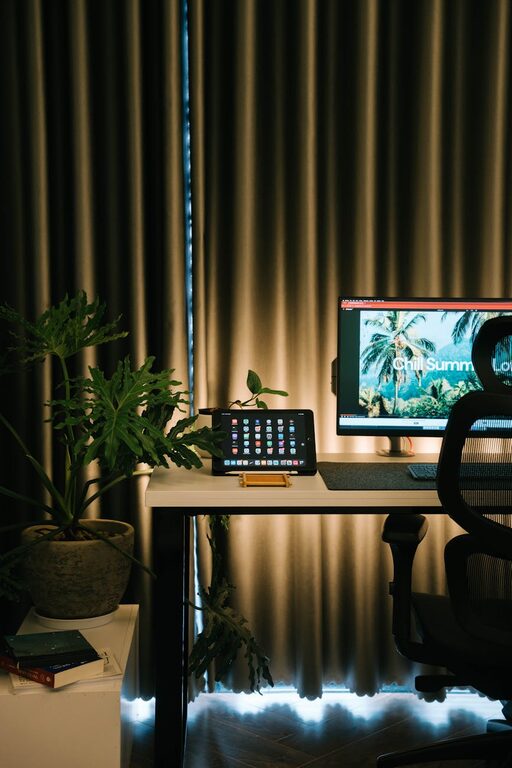
Creating a relaxing home workspace is essential for anyone working from home or spending a significant amount of time at a desk. A serene and well-organized environment can boost productivity, reduce stress, and improve overall comfort. Whether you have a dedicated office room or just a small corner, these tips will help you design a workspace that supports your best work.
Why a Relaxing Workspace Matters
Spending hours in a cluttered or uncomfortable environment can lead to distractions, fatigue, and less effective work. A calming workspace fosters focus and motivation, turning your work hours into a more productive and enjoyable experience.
Choose the Right Location
Find a Quiet, Low-Traffic Area
Select a spot in your home that is away from noise and interruptions. This might be a spare room, a corner of the living room, or near a window. Natural light and a pleasant view can also boost your mood and focus.
Consider Ergonomics
Your workspace should support good posture. If possible, choose a desk and chair that fit your height and provide back support. Sitting comfortably reduces strain and potential discomfort during long work sessions.
Optimize Lighting
Use Natural Light When Possible
Position your desk near a window to take advantage of daylight. Natural light helps improve alertness and reduces eye strain.
Add Soft, Adjustable Lighting
In addition to natural light, use a desk lamp or overhead lighting with adjustable brightness. Warm-toned lights create a cozy ambience that helps you work into the evening without discomfort.
Organize and Declutter
Keep Only What You Need
A tidy desk encourages focus. Store away items that are not essential to your daily tasks to avoid distractions.
Use Storage Solutions
Use shelves, drawers, or desk organizers to keep paperwork, supplies, and gadgets neatly arranged. Clear containers and labeled boxes can simplify finding things quickly.
Personalize Your Space
Add Calming Elements
Plants, artwork, or personal photos add warmth and make the space feel inviting. Green plants in particular can improve air quality and reduce stress.
Choose Soothing Colors
Soft, neutral colors or pastels around your workspace help create a peaceful atmosphere. Avoid overly bright or harsh colors that may drain your energy.
Pay Attention to Comfort
Ergonomic Chair and Desk
Investing in a comfortable chair with lumbar support and a desk at the right height is key for health and productivity.
Incorporate Textiles
A cozy rug, cushion, or throw can add softness to the area and make your workspace feel more relaxing.
Manage Technology Wisely
Minimize Cable Clutter
Use cable organizers or clips to keep cords out of sight and prevent tangling.
Use Noise-Cancelling Headphones
If ambient noise is an issue, noise-cancelling headphones can help maintain focus.
Create Work-Life Boundaries
Define Your Work Hours
Stick to a regular schedule to help your brain associate the space with work and relaxation times.
Use a Room Divider or Curtain
If your workspace is in a shared room, a divider can visually separate work from leisure areas.
Incorporate Break Areas
Have a Spot to Relax
If possible, set up a small area with a comfortable chair or cushion where you can take short breaks and recharge.
Practice Mindfulness or Stretching
Regular breaks to stretch or breathe deeply help reduce tension and boost creativity.
—
By thoughtfully designing a relaxing home workspace, you can enhance both your comfort and productivity. Remember, the goal is to create a space where you feel focused, supported, and calm throughout your workday. With these tips, your home office can become your favorite room to work in.